How We Plan a Drone Light Show: From Concept to Launch
Summary: A drone light show takes much more than putting drones in the air. From understanding the event and designing custom animations to evaluating the venue, preparing the flight area, and completing final safety checks, here’s how Visual Advantage turns an idea into a finished show.
When a drone light show takes off, the audience sees a few minutes of synchronized lights moving across the night sky.
What they don’t see is everything that happened before launch.
Every Visual Advantage show starts well before event day. Our team works through the creative concept, show size, venue, flight planning, animation, music, equipment, and event logistics before the drones ever leave the ground.
Here’s what that process looks like.
1. We Start With the Event
Before we start designing formations, we want to understand what the show is actually for.
A country club celebration may call for something completely different from a sporting event, corporate event, festival, or private celebration.
We typically start by learning things like:
- What type of event are you planning?
- Where and when is it happening?
- Who will be watching?
- Is there a theme or message?
- Are there logos, words, images, or specific moments you want included?
- Will the show be synchronized to music?
- How involved would you like to be in the creative process?
Some clients come to us with a detailed idea of exactly what they want to see. Others give us the theme of the event and let our team develop the creative direction.
Both approaches work.
Our clients can be as involved in the creative process as they want.
2. We Determine the Right Show Size
Drone count affects how much detail we can create in the sky.
Visual Advantage currently offers 100, 200, 300, and 400-drone shows.
A 100-drone production can still create recognizable images, text, logos, and animated sequences. Increasing the drone count gives our designers more points of light to work with, allowing for additional detail and more complex visuals.
Our 300-drone show is our most popular size, but bigger isn’t automatically better for every event.
The right choice depends on the venue, audience, creative concept, and overall scale of the event.
If you’re deciding between options, you can compare our drone show sizes here.
3. We Develop the Creative Concept
Once we understand the event and approximate show size, the creative process begins.
This is where an idea starts becoming something that can actually appear in the sky.
Depending on the event, a show might include:
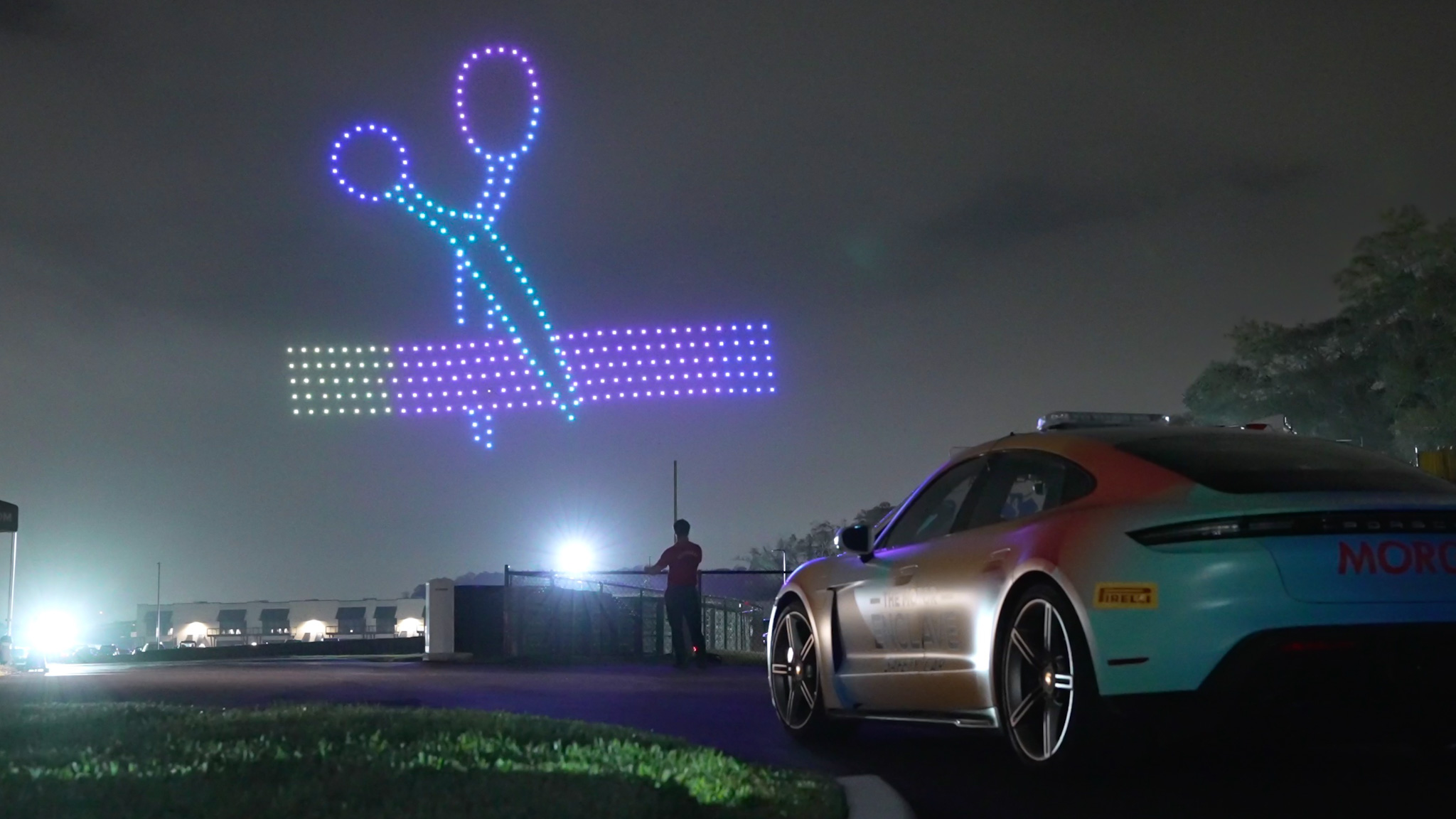
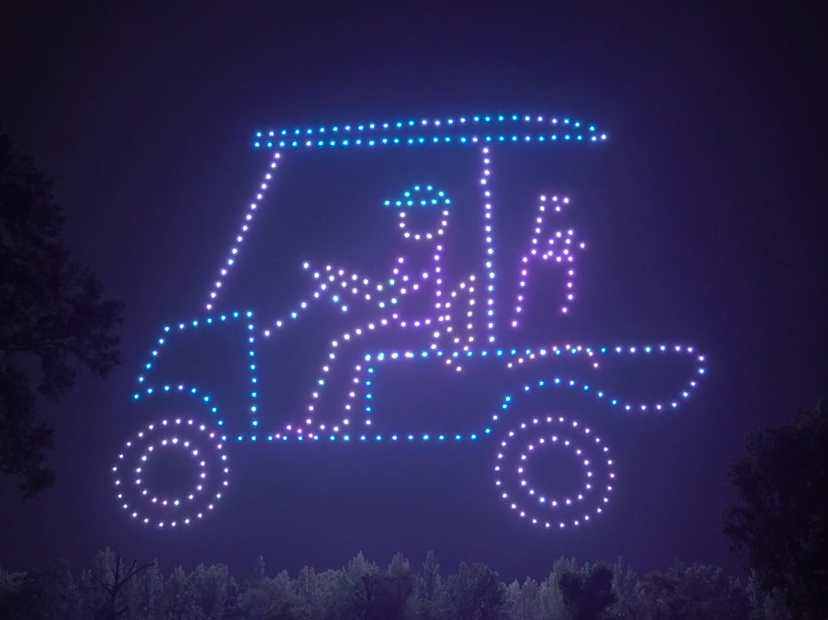
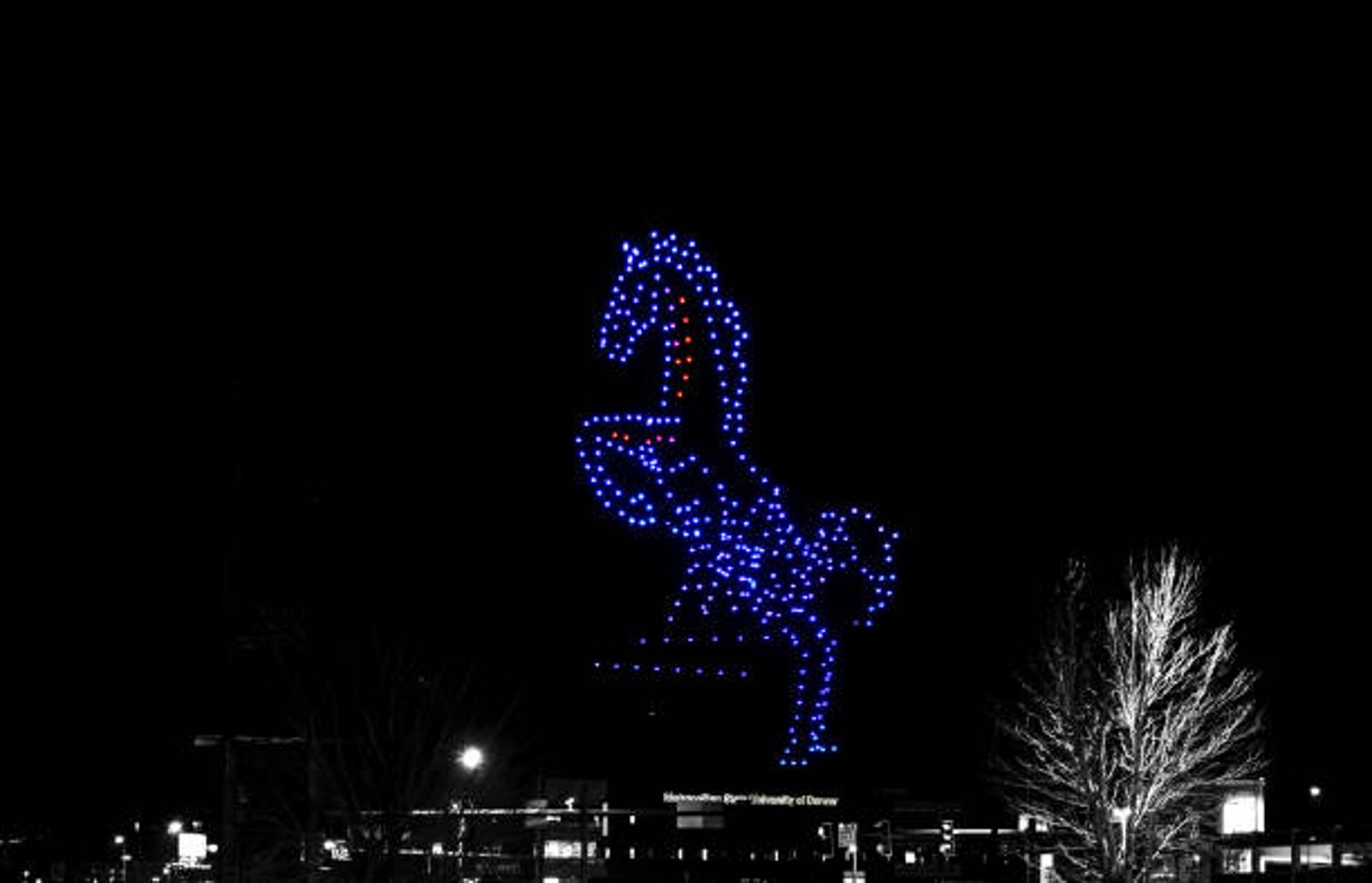
- Logos and branding
- Words or custom messages
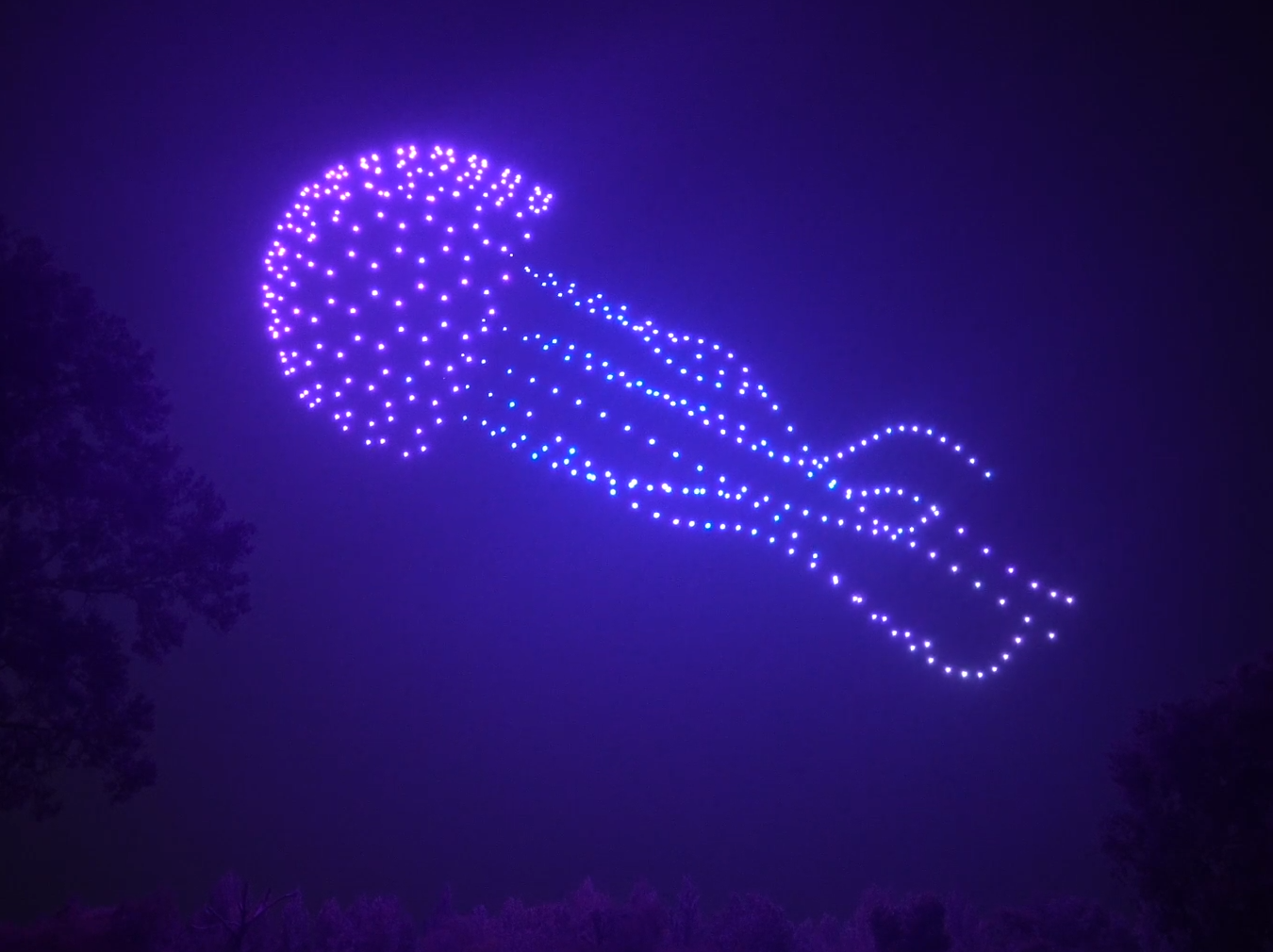
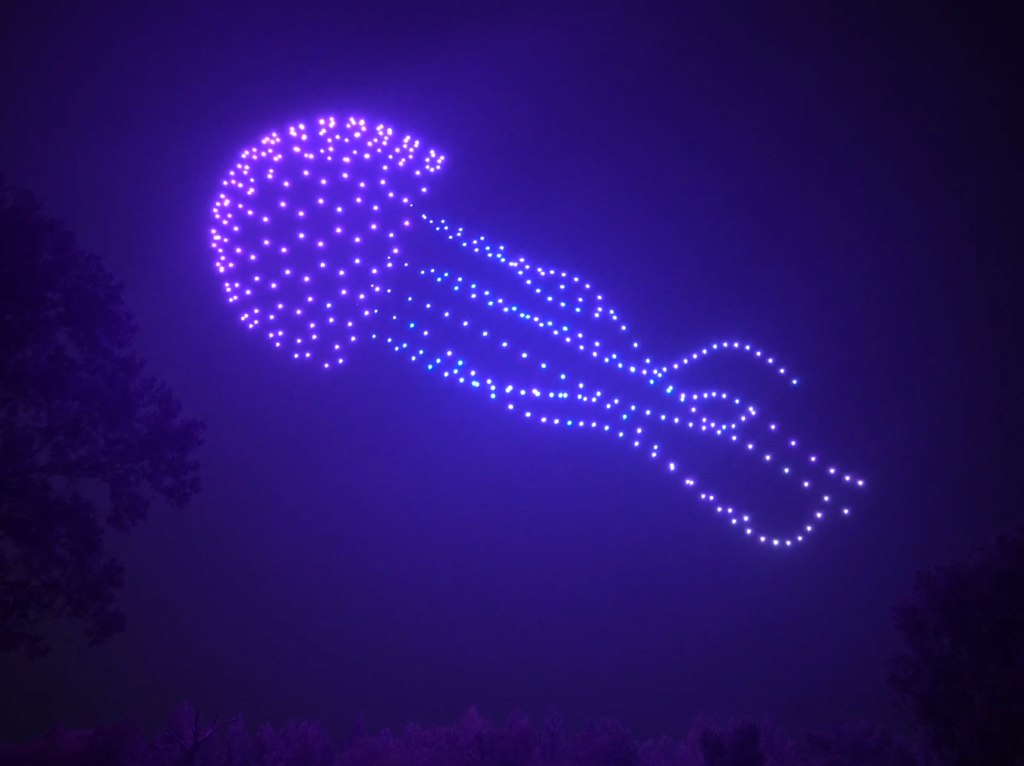
- Recognizable objects and characters
- Themed imagery
- Animated sequences
- Transitions between formations
- A beginning-to-end visual story
A drone show isn’t simply a slideshow in the sky. Movement between formations matters too.
Our design process considers how one image transitions into another so the entire production feels like one continuous show rather than a collection of unrelated shapes.
4. We Evaluate the Venue and Flight Area
The creative side is only one half of planning a drone show.
We also have to determine whether the event location provides an appropriate environment for the production.
Our team looks at factors such as:
- Available launch and recovery space
- Audience location
- Surrounding structures
- The location of the performance area
- Airspace considerations
- Event layout
- Equipment access
- Local conditions that could affect the operation
Every venue is different, which is why location is one of the first pieces of information we ask for when someone contacts us.
Visual Advantage is based in Richmond, Virginia, but our team travels throughout the East Coast for shows.
5. The Show Is Programmed and Reviewed Before Event Day
The drones aren’t being individually flown around during the performance.
The formations and movements are prepared in advance so the fleet can perform the choreographed sequence together.
Before the show reaches the event, our team can review how the formations, movement, timing, and transitions will work as a complete production.
This gives us the opportunity to make changes before we’re standing at the venue on show day.
If a client wants to adjust an image, change part of the creative direction, or refine a sequence, those conversations happen during this stage rather than after the drones are already in the air.
6. Music Can Become Part of the Show
For shows synchronized to music, the soundtrack becomes part of the creative process.
Instead of simply playing a song while drones fly overhead, the goal is to make visual moments work with the music.
A formation might appear during a particular section of the song, a transition might happen with a musical change, or the finale might be timed to a specific moment.
When everything works together, the audience isn’t just watching drones and listening to music separately — they’re experiencing one coordinated production.
7. Event Day Starts Long Before Takeoff
When our crew arrives at the venue, there is still plenty of work to do before the audience sees anything.
The drones and supporting equipment need to be unloaded and prepared, the launch area needs to be established, systems need to be checked, and conditions need to be evaluated.
Our flight team is made up of FAA Part 107-certified pilots, and safety is part of the planning process from the beginning through the final launch decision.
Weather is particularly important. Conditions can change, so the team continues evaluating them as the scheduled show time approaches.
8. Then It’s Time to Launch
By the time the countdown begins, most of the work has already happened.
The concept has been developed.
The animations have been created.
The venue has been evaluated.
The drones have been prepared.
The systems have been checked.
And then the fleet takes off.
For the audience, that’s when the experience begins.
For our team, it’s the moment when all of the planning, design, technical preparation, and event coordination finally come together in the sky.
Every Show Is Built Around the Event
That’s one of the things we want clients to understand about working with Visual Advantage.
We aren’t simply showing up with a predetermined sequence and pressing play.
We’re a small, hands-on team, and every production starts with understanding the event and figuring out what makes sense for that particular audience, venue, and client.
Whether you already know exactly what you want or you’re starting with nothing more than “I think a drone show would be awesome here,” that’s enough to start the conversation.
Tell us about your event and start planning your show.
Frequently Asked Questions
How far in advance should I start planning a drone light show?
Earlier is generally better, particularly when an event has a fixed date. Venue evaluation, creative development, event logistics, and flight planning all happen before show day. Contacting us early also gives us more time to work with you on the creative direction.
Do I need to know how many drones I want before contacting you?
No. Visual Advantage offers 100, 200, 300, and 400-drone shows, and we can help determine which size makes sense based on your event, venue, audience, and creative goals.
Can we choose what appears in the show?
Yes. Shows can incorporate custom logos, imagery, messages, themes, and animations. You can be closely involved in developing the creative or give our team more freedom to design around your event.
Can a drone light show be synchronized with music?
Yes. Music can be incorporated into the production so visual sequences and transitions are coordinated with a soundtrack.
Where does Visual Advantage provide drone light shows?
Visual Advantage is based in Richmond, Virginia, and travels throughout the East Coast for events.
Who flies the drones during a show?
Visual Advantage’s flight team consists of FAA Part 107-certified pilots. The show itself is choreographed and prepared before launch, while our crew manages the flight operation and equipment on site.